Learning and Lifting with Alyssa

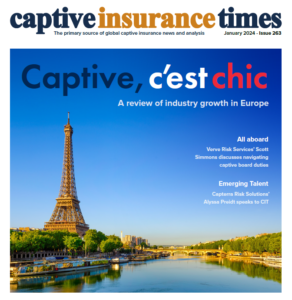
This Emerging Talent Column ran in the January, 2024 edition of Captive Insurance Times. 

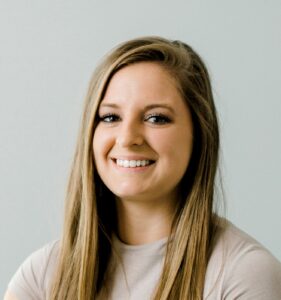
Alyssa Preidt of Capterra Risk Solutions speaks to Frances Jones about her experiences and influences in the industry

How has your previous experience prepared you for your current role as underwriting and claims manager?

When I accepted my first position in the captive industry, I was fresh out of college. I had a lot to learn that couldn’t come from a textbook, but I was eager.

My first role was as an underwriting associate. Since then, I’ve worked for a managing general agent and a couple of other captive firms.

These experiences prepared me in the best possible way for my current role. I learned from several teachers, who have global knowledge of both the captive and commercial insurance worlds. They have given me tools to understand how commercial and captive insurance can work together, determine sound underwriting principles, optimise meeting clients’ needs and properly adjudicate claims.

How did you end up in the captive industry?

When I graduated in May 2018, my former professor, Thomas Marshall, gave me a call notifying me that an individual from the industry was looking for a recommendation for a college graduate. He gave them my name and directed me to some resources to research more about captives.

Although we were given a high-level overview of captives in our college course material, it was not a main focus of the curriculum. After reading more, I realised that this unique industry intrigued me. Before I knew it, I was travelling down to South Carolina, spending a weekend interviewing and reading the company’s book on captives. I was offered the position shortly thereafter.

From your experience, what would you say are the key benefits of working in this industry?

The greatest benefit is the opportunity to meet entrepreneurs and executives from various different backgrounds, life experiences and industries. This is something that we get to participate in that is rarely replicated in other industries. In the captive world, I hear success stories from business owners from every walk of life.

Another benefit is the opportunity to customise an insurance programme to protect each business’ risks and assets, enabling me to think critically about specific needs and risks for different industries and businesses within those sectors.

Who have been your influences in the captive space?

There are too many influences to name them all, but there are a few in particular I’d like to thank — firstly my mentor, Alan Morris. He noticed a spark of potential in me and actively chose to develop, strengthen and foster what he saw. He continues to be a source of great inspiration to me.

Secondly, Jeff Ellington, senior vice president at Capterra Risk Solutions, has been a great teacher. He is the embodiment of an open-door policy. Jeff takes time to educate and challenge me when I need to consider a different perspective.

Lastly, Sandra Fenters, Capterra’s CEO and president, whose reputation precedes her. Since May 2022, I’ve had the pleasure to work for her. She is passionate about teaching other women in the industry and never misses an opportunity to mentor. Her ability to tell stories and connect with her clients is unparalleled.

What are your aspirations for your future career in the industry?

I’ve learned that I possess the skill of innovation, having worked on major initiatives to improve processes and systems at captive management firms. In the industry, I aim to make the processes, systems, and ways we do things simpler and more efficient. I want to continue pushing the industry forward.

What advice do you have for someone considering a role in captive insurance?

Be proactive. Put systems in place for renewal season. If you don’t have a process in place, it’s likely you will be scattered. Be prepared, work ahead and do the one extra task a day that will add up to major results by the end of the renewal season. Treat your colleagues and clients like family. Building a rapport with everyone you interact with can go a long way — there is never a situation where having a level of understanding, trust and empathy for your clients and colleagues will not serve you well.

Don’t sleep on opportunities to make improvements during your down season, the nine to 10-month period between renewals. Build a strong foundation in this season by making continual improvements. Ask questions, research, and push yourself outside of your comfort zone. You can learn about anything now on YouTube, even contractual liability!

“I became associated with Alyssa in 2018 at a South Carolina-based firm, Hamilton Captive Management. There, she led and participated in major initiatives where she consistently demonstrated strong technical knowledge of (re)insurance practices, understanding of risk management principles and the ability to effectively apply them to a broad range of functions. Additionally, the capacity to develop and effectively lead major initiatives and projects, to strategise, develop sound and effective insurance programmes, and to effectively communicate legal and regulatory issues to a wide range of internal and external audiences.

“Alyssa’s industry knowledge and her ability to provide guidance over a wide range of insurance initiatives and functions far exceed those common for her level of experience. They speak to her commitment to excellence as a professional and strong desire to add value on an ongoing basis.”

Alan Morris, ASA, ACAS, MAAA Consulting actuary and risk consultant Former chief actuary and risk officer for the Cayman Islands Monetary Authority

About Alyssa

Alyssa was raised in Belmont, North Carolina, among her family of seven. She has a passion for crossfit, is a crossfit coach and has transitioned to competitive weightlifting. In her spare time, she enjoys learning Hebrew and the piano, reading, gardening, playing with her dog Harley, and doing DIY home projects.

Alyssa has a bachelor’s degree in finance with a concentration in risk management and insurance from the Charlotte-based University of North Carolina.

Starting her career as a risk analyst at Hamilton Captive Management, she has previously held underwriting positions at Atlas Insurance Management and in the property and casualty insurance division of AmWINS Group.

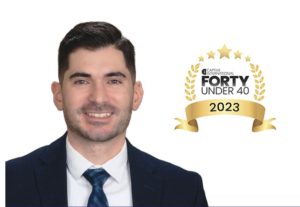
Bill Eleamos Added to FORTY Under 40 List

Here is Bill’s summary from Captive International’s FORTY Under 40 Finalists.

BILL ELEAMOS

Vice President of Finance, Capterra Risk Solutions

“The captives industry lets you work with some of the brightest professionals.”

Bill Eleamos started his career as an accountant at a wealth management firm in 2010. While there he was promoted to senior accountant in 2011 and obtained his graduate degree and MBA. He then found his way to Capterra in 2015, where he was the fiscal officer and accountant for the captive clients under management.

In 2019, Eleamos was promoted to controller where he maintained all prior responsibilities and added the responsibilities of maintaining and overseeing the accounting and overall operation of Capterra. In January 2023, he was promoted to vice president of finance and brought on as a minority partner of Capterra.

Eleamos was described as a very experienced captive financial professional, being very organised and detail-oriented, along with being friendly and easy to communicate. He is said to do a great job to ensure his clients are in compliance with the domicile’s state laws and regulations.

Here he explains why the captive insurance industry is rewarding to be in, why people should join it and how he feels it will evolve over the near term.

Do you feel that the captive insurance industry is a rewarding sector to work in?

The industry is rewarding from the aspect of assisting businesses of all sizes and industries. The captive insurance space is a useful tool that can benefit many types of businesses. One week I may be reviewing a programme for a mid-size contractor in Florida, and the following week, implementing a programme for a large manufacturer in Pennsylvania. The ability to touch and help businesses all of sizes and industries is one of the most rewarding effects of working in the captives sector.

Would you recommend the captive insurance industry to young people as a future career path?

I believe it is. The captives industry lets you work with some of the brightest professionals all coming together for the common goal of implementing an effective risk management solution. By working daily with the likes of actuaries, attorneys, CPAs, insurance experts, business owners, CFOs, risk managers, etc, you are working with the best of the best and each day you are absorbing that knowledge and making that individual a well-rounded professional.

How do you feel that the captive insurance industry will evolve?

The captives industry will undoubtedly continue to evolve and innovate. That is the basis of captive insurance and how we differ from the traditional insurance market. The captive industry listens to the needs and actual risks of the insured businesses and finds solutions unavailable in any other market.

Do you think that your long-term future remains in the captive insurance industry?

Yes. With my eight-and-a-half years in the industry and obtaining my ACI designation, I have obtained experience and knowledge that have provided a solid foundation in the captives space.

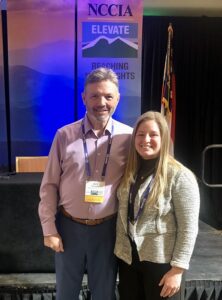
Our North Carolina Team and Insights from the NCCIA Conference

By Alyssa Preidt

Our Newest Team Members: Jeff and Alyssa

Jeff and I would like to say that it is our great pleasure to be Capterra Risk’s North Carolina team.

  • Jeff Ellington, Senior Vice President, has been in the insurance industry for over 35 years and has a wealth of knowledge and experience. He began working in the captive industry over 11 years ago and has been very active in the industry ever since.
  • I, Alyssa Preidt, Underwriting and Claims Manager, have been involved in the insurance industry for 5 years, almost to the day. I received an offer to work for a captive management company right out of college and was so fascinated by the concept of captives that I couldn’t turn it down.

Jeff and I began working together two years ago, also, almost to the day. I’ve had many mentors and leaders in my career to whom I am thankful; but I am constantly humbled by my opportunity to learn from Jeff, an individual who has an incredible amount of knowledge and willingness to pass along his insights to the next generation of insurance professionals like myself.

Update from The North Carolina Captive Insurance Association Conference

The Capterra Team attends numerous conferences every year. One of our favorites is the North Carolina Captive Insurance Association (NCCIA) Conference, which was held this year from May 7th-10th.  Afterward, Jeff and I sat down to debrief and share our thoughts on the Conference

NCCIA is a time when captive managers, partners, service providers, and owners come together to support North Carolina as a domicile, learn from other industry professionals, and network with each other to brainstorm solutions for their clients.

The conference begins with an opening ceremony dedicated to highlighting successes and providing updates from the North Carolina Department of Insurance (NCDOI) on the current economic market and how it may be affecting captive performance.

North Carolina is the 6th largest domicile in the world and was launched in 2013

During this opening ceremony, we were fascinated to learn that North Carolina:

  • Currently has $1.3 billion dollars of written premium between all licensed North Carolina captives.
  • Has quickly grown to become the 4th largest domicile in the United States and 6th largest in the world.

North Carolina first implemented legislation in October 2013 to become a captive domicile and launched its first conference in 2014; the growth North Carolina has experienced in such a short period of time is a testament to all the hard work of the NCDOI.


Founder Sandra Fenters with Mike Causey, the North Carolina Commissioner of Insurance.

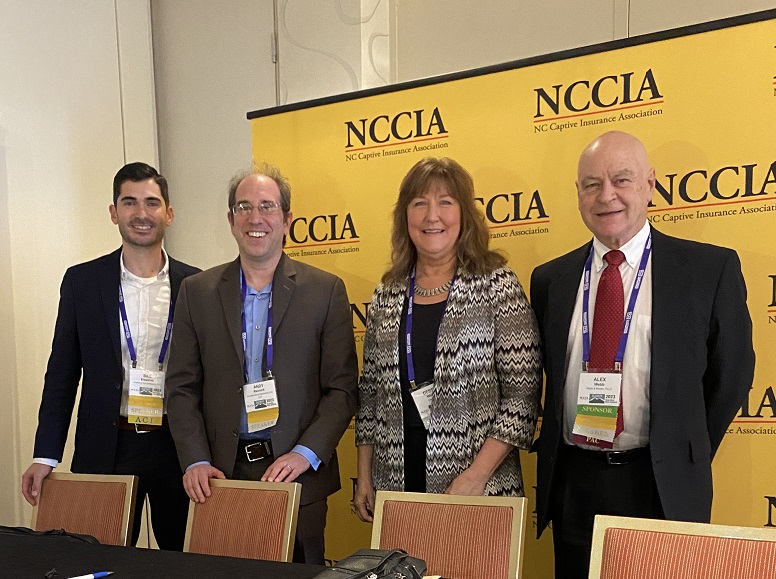
Partner Bill Eleamos Participates on Panel

Our very own VP of Finance, Bill Eleamos, presented as a member of a panel on Navigating Conflict Between Owners and Managers.

A few key takeaways from the panel on how to avoid conflict with captive owners and managers and run an efficient captive insurance company were as follows:

  • Implement claims procedures with each captive insurance company at inception. Adhere to procedures for reporting, managing, and reimbursement of claims.
  • Owners want certainty. Provide consistent and clear communication between the captive manager, insurance regulator, insurer, and insured.  Eliminate unknowns/surprises.
  • Conduct effective board meetings

The panel also included Bill Eleamos, Alex Webb, Managing Partner of Webb & Morton, PLLC, Debbie Walker, Consultant, and Andrew Rennick, Partner at Womble Bond Dickinson (US) LLP.

Insights from Other Sessions

A few of the additional sessions that Jeff and I found valuable included:

  • The Medical Impact of COVID-19 and Captive Risk Management
    • There has been a 70% increase in interest to insure Gap or Medical Stop Loss Insurance in captives due to catastrophic claims, drugs, gene therapy, claim frequency, and size
    • 51% of people reported increased captive utilization due to the impact of COVID-19
  • Tailor-Made Insurance
    • Parametric Insurance is beginning to be used for some weather-related risks, but could have other purposes such as strike, mechanical failure, or civil authority risks
    • The claims process can be clearer and more streamlined
  • When is an RRG the “Right” Solution
    • Risk Retention Groups (RRGs) have proven to be great solution for the following groups: Medical Professional Liability (Physicians, Senior Care), Specialty Auto (Trucking, Livery), and Specialty General Liability (Contractors, Manufacturers)
    • RRGs are great if the following factors are present:
      • Reinsurance
      • Sufficient Levels of Capitalization
      • Strong, Core Group of Participants
      • Premium Growth/Critical Mass
      • Ability to Maintain Lower Expense Ratios
      • Strong Relationships with Regulatory Agencies
    • Update on Federal and State Tax Issues and Significance of Exposure Units in Analyzing Risk Distribution
      • New regulations will be an “upgrade” from Notice 2016-66 and make it obsolete
      • New regulations break microcaptives into two categories: “listed transaction” or “transaction of interest”
      • The panel believes there are strategic reasons to comment and testify including make the industry’s positions known, and to question the validity of the proposed regulations
      • The panel did not recommend submitting a unified, collective opinion piece on behalf of the industry, but did recommend that comments and feedback be sent from various, separate entities with varying opinions and commentary.
      • June 12, 2023 is the deadline to submit electronic or written comments on the proposed regulations

In attendance at this year’s Conference, we saw many captive owners. I was thoroughly impressed by captive owners who were eager to learn more about their captive and the captive industry as a whole. We would like to encourage all our clients, especially those domiciled in North Carolina, to consider joining us next year for the NCCIA 2024 conference in Ashville, NC.

Capterra Risk Names Bill Eleamos as Partner

Promoted to Vice President of Finance

Feb 22, 2023 (Pittsburgh, PA) – Capterra Risk Solutions, LLC, a captive management and consulting firm offering an unparalleled level of risk management and underwriting expertise, has named Bill Eleamos as Partner and Vice President of Finance.

Mr. Eleamos has worked at Capterra for over 7 years. He joined as a Fiscal Officer in 2015 and was promoted to Controller in 2019.  Sandra Fenters, Capterra Risk Solutions President and Founder, says

“Bill has contributed much to the recent growth of the firm with his strong fiscal skills and outstanding organization. He is embracing a larger leadership role with serving our clients and managing our partner resources.”
Bill adds “I am extremely grateful for this promotion.  This firm has been a second family to me.  I will embrace the new challenges and responsibilities that come with this opportunity, and I look forward to help steer the future growth of Capterra.”

Bill worked for Mellon Capital before joining Capterra. He holds a MBA from California University of Pennsylvania and also obtained his Associate in Captive Insurance (ACI) designation from the International Center of Captive Insurance Education.

The new Vice President of Finance works from the firm’s Pittsburgh headquarters. Capterra also operates a Charlotte, NC office.

Capterra Risk Solutions Expands in North Carolina

Growing client base and deep talent pool propel new office in Charlotte

December 12, 2022 (Coraopolis, PA) – Capterra Risk Solutions, LLC, a captive insurance company offering an unparalleled level of risk management and underwriting expertise, has opened a second company office, located in Charlotte, North Carolina.

Capterra’s headquarters is in Coraopolis, PA.

“We have expanded from a Western Pennsylvania focus to a much more national client base,” said Sandra Fenters, President of Capterra Risk Solutions. “As our customers are increasingly based in other parts of the country, it makes sense to hire the most talented team in regional insurance hotspots.”

Jeff Ellington, senior member of the Capterra team in Charlotte, said “North Carolina has a thriving ecosystem of talented risk management professionals. We plan to grow the team here to better serve our growing client base in the Southeast and nationwide.”

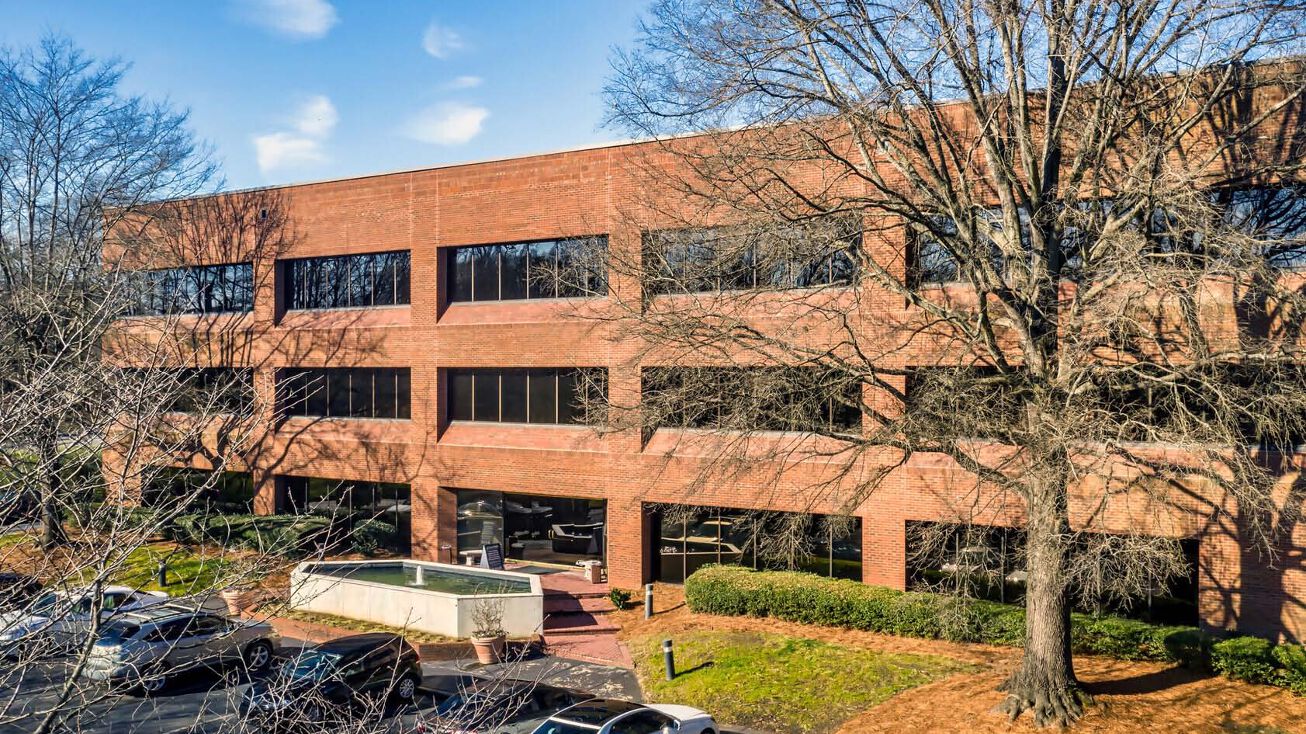
Capterra opened an office at 7301 Carmel Executive Park Dr in Charlotte, North Carolina in December.

Meet the Team: Alyssa Preidt

Title and Role: Underwriting and Claims Manager

Length in Industry: 4 years since college graduation in 2018

During college, Alyssa had several internships within the insurance and risk management industry sector.

Certifications: Associate in Risk Management (ARM) and currently obtaining the Certified Risk Manager (CRM)

Favorite Project: Alyssa’s favorite project has been building and developing a database used to track, manage, and manipulate data concerning claims processing, reinsurance information, renewal processing, captive entities, and coverage information. The database is used for reporting, loss runs, and renewal summary purposes along with numerous other purposes.

Favorite personal activities: She loves to read, spend time with her family and friends, play the guitar, exercise, play with her dog Harley, and travel.

Meet the Team: Jeff Ellington

Title: Senior Vice President

Responsibilities: Jeff is responsible for business development & the oversight of the captive formation process, including risk assessments, feasibility studies, organizational structure and design, and policy production.

Time at Capterra: New in 2022

Time in insurance/financial services: 35+ years; 10+ in captive management and consulting.

Jeff has worked in multiple facets of the commercial insurance industry, including sales, marketing, underwriting and management.

Education/Certification: Jeff is a graduate of the University of North Carolina, Chapel Hill. He achieved and maintains the Certified Insurance Counselor designation.

Personal tidbits:

Jeff is married to Debbie; they live in Indian Land, SC. Together they have 5 children from previous marriages & 3 grandchildren, and 1 dog, Winston.

Jeff enjoys golf, gardening, and reading; he is an avid fan of college and pro football and basketball.

Jeff and Debbie

The Value of Captive Insurance in the Age of COVID and During Other Trying Times

By Jeff Ellington, SVP, Capterra Risk Solutions

The last two years have been challenging for most businesses.

  • COVID-19 and subsequent strains left most business owners scrambling to just stay in business while figuring out a way to keep their customers and pay their employees.
  • From an insurance standpoint, businesses were already dealing with rising insurance rates and shrinking capacity from a hardening market, particularly with regard to property coverage. Then COVID hit, leaving most business owners facing the dire realization that the insurance they paid so much for did not cover business interruption resulting from COVID exposures.

In dealing with the disbelief that their insurance policy would not cover their losses due to COVID, some owners decided to sue their insurance companies to force them to pay.  A few plaintiffs in certain jurisdictions found sympathetic judges who did try to force payment, but the overwhelming majority held that the property policies issued to these owners were not intended to provide coverage for losses related to a pandemic, as the policies were written to provide coverage for direct physical damage.

Let’s face it, having to expend the resources of time and money to sue an insurance company and then wait for a judgment and any subsequent payment is not an ideal situation for a business trying to survive.


So, what’s a better solution? 

A captive insurance company can be established to insure the risks a company retains, either by choice or by the fact that they cannot find suitable terms in the standard commercial market.

Many smart business owners have set up captives to efficiently transfer the risks they have retained as an effective complement to their standard insurance program.

These same owners were comforted by finding during the COVID crisis that their captive insurance policies provided coverage for loss of income from business interruption from exposure triggers that did not involve direct physical damage to their property.  Situations such as work stoppage from governmental mandates and contingent business interruption from the permanent or temporary shutdown of the business’s suppliers or other dependent entities were covered causes of loss in policies written by many captives.  Additionally, exposure such as the permanent loss of a key customer or a key supplier, as well as a legislative or regulatory change, even globally, could be covered by captive insurance.


Captives have value beyond catastrophes

A catastrophic event like a pandemic is not the only challenging situation for which a captive could provide relief.

As mentioned above, the current commercial property and casualty insurance market has continued to harden, resulting in higher rates and premiums coupled with reduced capacity and product availability.   Just a few short years ago, the market was extremely soft with rates and corresponding premiums very favorable for business owners.

With some policies being priced at less than 50% of the standard premium, it did not make much economic sense for a business to take on a significant deductible as a layer of self-insurance when the reward did not justify the additional risk.   Although there are sound risk management reasons for taking on a layer of risk, such as a greater focus on causes of loss and maintaining a safe and efficient work environment; let’s face it, these reasons were not compelling enough to outweigh the economic impact of taking on a significant amount of risk when premiums were already so favorable.

Fast forward to the current hard market, which continues to harden, and businesses are seeking to take on a meaningful layer of risk to control costs and secure the terms of insurance they require.  In some cases, particularly with property, businesses are being forced to take on high deductibles to obtain coverage with a reduced benefit in the form of premium credit.  So, business owners are looking for a way to reap the maximum economic benefit for the significant level of risk they are taking on.  And again, a captive could be the best solution for progressive business owners.

By forming a captive and purchasing a deductible reimbursement policy from the captive to cover a large deductible assumed by the business, owners have the advantage of deducting the premium paid for the deductible reimbursement policy, just as with the premium for the standard commercial policy to which the deductible applies.

As an insurance company, the captive can establish reserves, or if it qualifies as a small insurance company, it could choose to just be taxed on investment income and not on underwriting profit.  Both these scenarios are much more advantageous than paying for claims within the deductible layer with the retained assets of the company or through a loss fund.  Additionally, the risk management benefits mentioned above can now be realized and further enhance the value of insuring a large deductible through a captive.

Although businesses will undoubtedly encounter additional trying times in the years ahead, captives will remain as lucrative vehicles, enabling business owners to successfully navigate the risk and insurance challenges they face.

Sandra Fenters to Be on Panel @Western Regional Captive Insurance Conference

Tuesday, June 28th, 11am-12 noon.

A Deep Dive into the 4 C’s:

Captives, Control, Consolidation, and Changes

This course will assist service providers in understanding the impact of various captive arrangements on the financial statements and tax returns of captive companies. The ability to communicate the impact of various captive structures, including collateral issues on the financial statements of the insured is an important consideration for financial reporting and tax reporting, whether a separate account, protected cell, incorporated cell, single parent, group captive, or RRG. After attending you will have an overview of the impact of various captive structures on the financial statements of the captive owner/insured.

PANELISTS:

  • Leon Rives, Chief Visionary Officer, RH CPAs

  • Kevin Doherty, Member – Insurance Law Practice, Dickinson Wright

  • Sandra Fenters, President, Capterra Risk Solutions, LLC

  • Nate Reznicek, Head of US Distribution, International Re

A full conference agenda is available here.

Sandra Fenters Debuts on Power 50 List of Influential Captive Professionals

Capterra Risk’s President lands on the Captive Review Power 50 list in 2022.

The Power 50 is an annual list from Captive Review of the 50 most influential captive insurance professionals from the last year.

Captive Review summarized Sandra’s nomination in the following:

President of Capterra Risk Solutions, Fenters and her team manage a number of both national and multi-national captive structures. Passionate about the captive industry Fenters was on the faculty for the University of Delaware’s captive program, and often authors articles on captive insurance. A former broker Fenters has a wealth of experience and is making an impact in the industry.

Fenters began her insurance career with a large international insurance company as a surety underwriter. Her experience spans multiple disciplines including surety, professional liability, commercial liability, and high net worth personal lines insurance. Sandra is an active member of the Self-Insurance  Institute of America, Inc. (SIIA) and sits on committees specific to captives and advocacy. She is joining the Board of Directors of the North Carolina Captive Insurance Association (NCCIA) in 2022.

Congratulations to Sandra and her fellow nominees.